Feel Lighter,
Move Better
Has swelling changed how your body looks, feels, and moves?
You are not a lost cause, and you don’t have to settle
There are proven, effective treatment options
There is hope
The swelling is happening for a reason
When it’s understood the right way, it can be approached safely and effectively.
Not aggressively, and not with guesswork.
Carefully, Intentionally, and with respect for how sensitive your body feels right now.
When swelling is involved, how it’s approached — and who helps you — matters more than most people realize.
At first, it doesn’t seem like a big deal.
Just a little tightness. A little heaviness.
Something that comes and goes.
That swelling isn’t random.
It follows a system.
And doing the wrong thing, even with the best intentions, can sometimes make it worse.
No one really explains this part.
You’re often told to watch it.
To elevate it.
To wear a sleeve.
Use compression garments
To rest and hope it settles down.
But what you’re not told is why it’s happening,
what your body is trying to do,
how some of well-meaning efforts can enable symptoms to progress.
So you’re left to figure it out on your own.
And when your body already feels unpredictable,
that uncertainty can be just as uncomfortable as the swelling itself.
Swelling isn’t the enemy, it’s information
It’s your body trying to move fluid through a system that had been impaired, obstructed, diminished, or overloaded.
But there is another realization that matters just as much.
Not all care is designed for a system like this.
Lymphatic swelling requires specific training, precision, and restraint.
The goal is not to wait and hope it resolves on its own.
And it isn’t to force anything to change.
The goal is to understand-
Gentle, informed support that works with the body instead of against it.
That’s when things stop feeling so risky and hopeless.
Because when you understand what your body is doing,
and you know it’s being approached the right way,
you don’t have to guess.
You can move forward carefully,
with respect,
and with a plan that actually makes sense.
A careful, structured way to support swelling — without guessing.
This is not a spa service.
And it’s not a one-size-fits-all approach.
This is specialized lymphatic care designed for people whose bodies need precision, not pressure.
Manual Lymphatic Drainage sessions are gentle, methodical, and build around your body.
Each session is designed to help your body move fluid more efficiently while respecting the limits of your lymphatic system in real time.
Just informed, methodical intervention designed for a system that needs to be handled correctly.
What is Complete Decongestive Therapy?
Complete Decongestive Therapy (CDT), an advanced training which includes:
Manual Lymphatic Draining (MLD);
Compression bandaging and garments;
Therapeutic exercise
This approach is used to address:
Lymphedema,
Lipedema and
Conditions often associated with Cancer and Post-Operative treatments
CDT is the gold standard treatment for chronic swelling conditions.
Here’s what the sessions are designed to support:
Reducing heaviness, pressure and overall swelling
Improving comfort, function and ease of movement
Supporting the body’s natural and alternative fluid pathways
Helping with the self-management of swelling over the long-term
Results vary, because bodies vary, but the goal is always the same: Support the system — don’t overwhelm it.
Session Options
Most people start with one session to see how their body responds, then decide together what pace makes sense. There’s no package pressure. No long-term commitment required. Just a clear first step.
50-minute session
$100
Ideal for focused work, maintenance, or early intervention
80-minute session
$150
Allows more time for full-system support and complex patterns
Compression bandages
$50
This is typically a one-time fee, and you keep the bandages to continue treatment at home.
Specialized care requires specialized training.
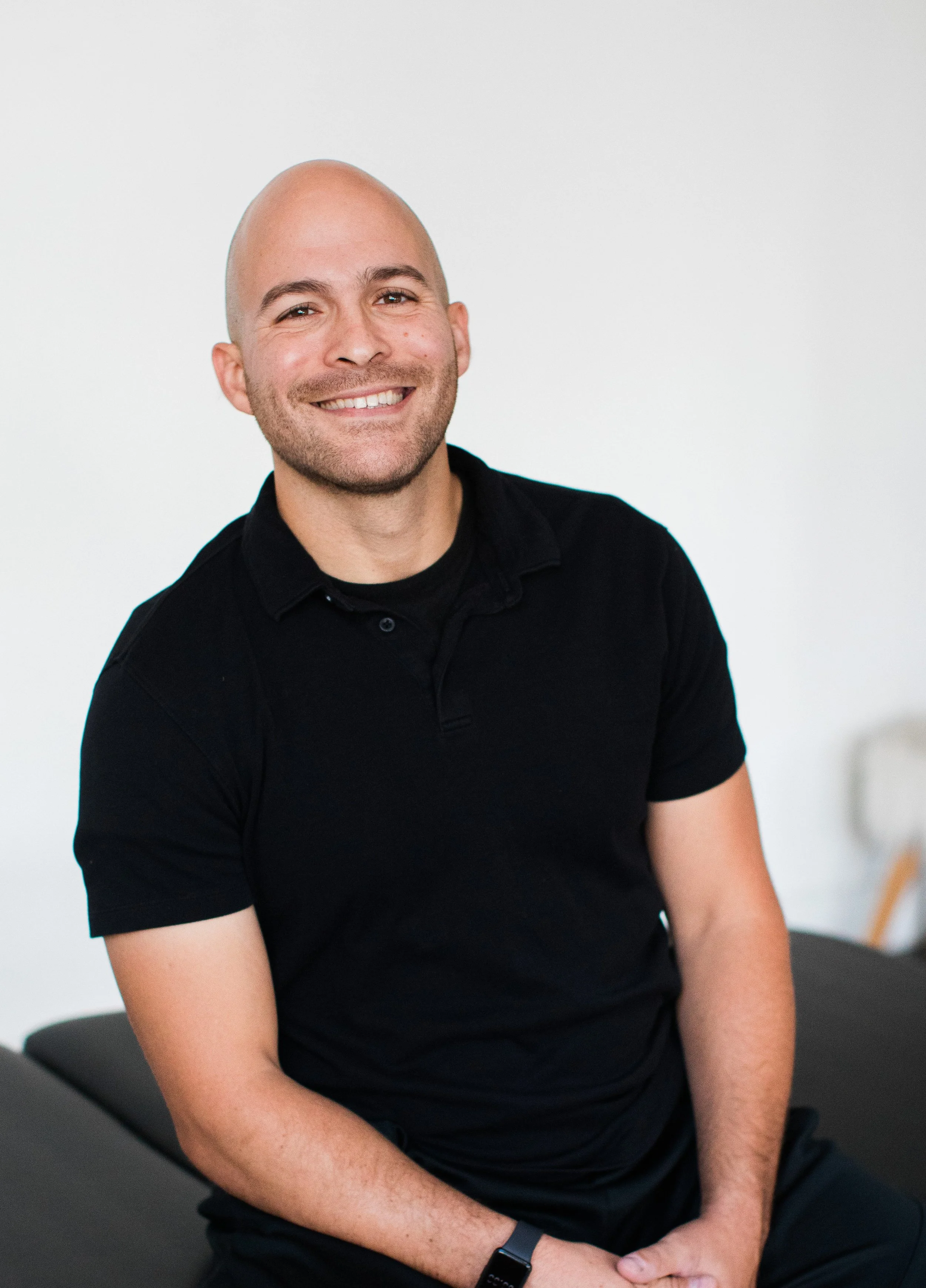
George LeBoeuf is a LANA-Certified Lymphedema Therapist with advanced training in working with medically complex bodies.
That matters — because lymphatic swelling involves a system that can be easily overwhelmed if it isn’t approached correctly.
There are different levels of training in lymphatic care.
LANA certification represents the highest clinical standard for working with lymphedema and complex swelling conditions.
George is currently the only LANA-Certified Massage Therapist practicing in the state.
For you, that means care that is:
grounded in the most advanced training available
designed specifically for compromised lymphatic systems
delivered with restraint, precision, and respect for your body’s limits
This isn’t about doing more.
It’s about doing what’s appropriate.
What it’s like to work with George
You can expect:
clear explanations in plain language
a calm, methodical approach
techniques that are gentle and intentional
respect for your boundaries and comfort
This isn’t about fixing you.
It’s about supporting a system that needs thoughtful care.
Why his background makes a difference
He understands what it’s like when:
standard approaches don’t fully help
your body feels unpredictable
and you’re trying to move forward carefully, not forcefully
That perspective shapes how he works.
Sessions are never rushed.
Nothing is pushed.
And your body’s responses guide the pace
Is Lymphedema Therapy right for you?
This is for you if…
You’re living with swelling that feels confusing, uncomfortable, or unpredictable
You’ve been told to “manage it” but weren’t given clear guidance
You want support that feels safe, gentle, and informed
You prefer understanding what’s happening in your body instead of guessing
You’re willing to move carefully and let your body set the pace
You just need to want an approach that respects your body and works within its limits
This is probably not for you if…
You’re looking for deep pressure or aggressive techniques
You want instant or dramatic results
You’re seeking a spa or relaxation-focused experience
You’re hoping someone will “fix” everything in one session
You’re not open to a gentle, system-based approach
This care is intentional and precise.
It’s designed for people who value safety over intensity.
By the time most people arrive here, they’ve already invested a lot.
Not just money —
but time, effort, and emotional energy.
They’ve paid for:
medical appointments that left them feeling “ignored”
tools or garments they were told to “just keep using”
treatments that helped a little, but not enough
trial-and-error approaches that added up over time
It’s what you do when you’re trying to take care of your body.
This work is different in one important way.
It’s specific.
It’s designed around a system that requires precision, not force.
And it’s delivered one-on-one, without shortcuts, or volume-based care.
That’s why sessions are priced as they are.
Not because they’re meant to be ongoing forever.
And not because more is always better.
But because careful, informed support — given the time it needs — tends to reduce wasted effort, unnecessary risk, and the cost of guessing.
For many people, the value isn’t just in what happens during a session.
It’s in finally feeling confident that the care they’re receiving makes sense.
A simple next step — taken at your pace
You don’t have to decide everything right now.
You don’t have to commit to a long plan.
And you don’t have to know exactly what you need.
You just need a clear first step.
Option 1:
Start with one session
This is the most common place to begin.
One session lets you:
see how your body responds
experience the approach firsthand
decide, with real information, what feels like the next best step
No pressure to continue.
No assumption that more is always better.
Just a chance to feel whether this kind of care fits you.
Option 2:
Ask a question before deciding
If you’re unsure, that’s okay.
You may want to:
clarify whether this is appropriate for your situation
ask about timing or availability
understand what a first visit looks like
You’re welcome to reach out before booking.
Option 3:
Take some time
If now isn’t the right time, it’s okay.
Many people come back to this page more than once.
When you’re ready, we will still be here.
Your body doesn’t benefit from rushing.
It benefits from careful consideration
No matter which option you choose, the goal is the same:
To move forward in a way that feels safe, informed, and right for you
What people notice after starting
Most people don’t talk about dramatic transformations.
They talk about something quieter and often more important.
They talk about finally feeling understood.
About not being ignored.
About feeling more comfortable in their body.
What you’ll notice about these experiences is this:
People don’t describe being pushed.
They don’t describe being promised miracles.
They describe feeling steadier, clearer, and less alone in what they’re dealing with.
That’s how we work.
Imagine your body feeling more supported.
Imagine not thinking about the swelling quite as much.
Not because it’s suddenly gone —
but because it makes more sense.
Imagine understanding what your body is doing,
and knowing you’re responding in a way that makes sense.
Appointments feel right.
Care doesn’t feel risky.
And decisions don’t feel heavy.
You’re not trying to “fix” yourself.
You’re taking care of yourself — carefully.
That’s what this work is meant to support.
A calmer relationship with your body and a clearer way forward.
When you’re ready, the next step is there.
And if you need time, that’s okay, too.
Your body will tell you when it feels right.